Wire harness BOM management is the process of identifying, documenting, approving, and controlling all materials required to manufacture a wire harness or cable assembly. These materials may include electrical wires, connector housings, terminals, seals, protective sleeving, heat shrink tubing, labels, tapes, clips, and other assembly components.
For original equipment manufacturers (OEMs), a well-managed bill of materials (BOM) provides a consistent reference for engineering, procurement, quotation, prototype development, and production. It helps buyers communicate accurate component requirements and reduces the risk of incorrect material selection, uncontrolled substitutions, and manufacturing inconsistencies.
Quick Summary: What Should OEM Buyers Know About Wire Harness BOM Management?
A wire harness BOM identifies the components, manufacturers, part numbers, specifications, quantities, approval status, and revisions required for an assembly. Buyers should verify connector compatibility, wire specifications, approved substitutes, and drawing revisions before quotation and prototype production. Effective BOM management improves purchasing accuracy, supports repeatable manufacturing, and ensures that material changes are reviewed and documented before implementation.
What Is a Wire Harness Bill of Materials?
A wire harness bill of materials is a structured document that lists the materials and components required to manufacture a specific wire harness assembly. It defines which components must be sourced, how many are needed, and which specifications or approvals apply to each item.
A BOM usually works alongside an engineering drawing, wiring diagram, and assembly instructions. While engineering drawings describe the electrical connections, physical layout, dimensions, and construction requirements, the BOM identifies the components needed to build that design.
For example, a wiring diagram may show a four-position connector connected to four individual wires. The BOM identifies the required connector housing, compatible terminals, wire specifications, seals, and protective materials. Together, these documents allow engineering and manufacturing teams to understand the intended assembly configuration.
A complete BOM also provides a foundation for purchasing, incoming material inspection, prototype verification, and production change control.

Why Wire Harness BOM Management Matters for OEM Buyers
Wire harness assemblies may appear simple, but their performance depends on several interconnected components. Differences in connector interfaces, terminal materials, wire insulation, and protective accessories can affect electrical reliability, installation compatibility, environmental resistance, and manufacturing quality.
When a BOM contains incomplete or ambiguous information, different suppliers may interpret the same project requirements differently. This can result in inconsistent quotations, unsuitable component selections, and additional engineering clarification during sampling.
Improving the Accuracy of Wire Harness Quotations
A clearly defined BOM allows suppliers to identify the intended materials when calculating component costs, evaluating sourcing requirements, and preparing a quotation.
Without exact connector and terminal part numbers, a supplier may quote a different component series from the one required by the buyer. Although the alternative may initially appear economical, it may not satisfy the approved design or installation requirements.
Maintaining Consistency Between Prototypes and Production
A controlled BOM establishes the component configuration used for prototype manufacturing and subsequent production approval.
If materials are changed without documentation, an approved prototype may no longer represent the configuration manufactured in later production batches. Clear revision records help buyers and suppliers identify which components were used and whether changes require further evaluation.
Supporting Material Compliance and Traceability
Material compliance documentation should correspond to the components actually used in an assembly. A BOM helps identify the relevant wire materials, connector components, terminals, and protective accessories for document review.
Where applicable, buyers can connect BOM requirements with RoHS and REACH document review to assess the supporting information provided for specified materials.
Reducing Procurement and Manufacturing Risks
Defined component specifications and approval rules reduce uncertainty during procurement. They also provide a basis for evaluating alternative materials when the original component becomes difficult to source.
BOM control should be integrated with wire harness design review so component selection, electrical requirements, and assembly construction remain aligned.
Essential Information Required in a Wire Harness BOM
A useful wire harness BOM should provide enough information for suppliers to identify the intended components without relying on assumptions. The level of detail depends on the application, but the following fields are particularly important for custom cable assembly projects.
Component Identification and Manufacturer Part Numbers
Each BOM line should include an item number, component description, and manufacturer part number where applicable. The component description should be specific enough to distinguish it from similar materials.
For example, a description such as “connector housing” does not identify the connector series, number of positions, locking mechanism, or mating interface. Including the manufacturer and exact part number provides a clearer reference for sourcing and technical verification.
Electrical and Mechanical Material Specifications
Wire specifications should identify the conductor size, insulation material, color, voltage rating, temperature rating, and applicable material standards when required.
Connector and terminal specifications may need to identify the contact system, wire compatibility, plating, sealing arrangement, and mating requirements. Protective materials should be selected according to the expected installation and operating environment.
Component Quantities and Units of Measurement
Every material should have a defined quantity and unit of measurement. Individual connector housings and terminals are usually listed by piece, while wire and sleeving may be recorded by length.
Quantities should clearly represent the requirements for one finished assembly. Purchasing allowances, manufacturing waste, and process consumption assumptions should be managed separately where appropriate.
Approved Manufacturers and Component Substitutions
When a customer requires a specific manufacturer or component series, that requirement should be clearly recorded in the BOM.
If alternative materials are acceptable, the approved manufacturer, alternative part number, and conditions for substitution should be documented. Suppliers should not assume that components with similar dimensions or electrical ratings are interchangeable.
BOM Revisions and Engineering Document References
A BOM should identify its revision and the corresponding engineering drawing revision. This helps ensure that procurement, prototype development, and manufacturing use compatible versions of the same product requirements.
For projects with frequent engineering changes, revision records should also identify the nature of the modification and the approval or implementation status.
Wire Harness BOM Checklist for OEM Procurement
The following checklist summarizes the component information buyers should review before requesting a formal wire harness quotation.

| BOM Item | What to Specify | Risk If Missing |
|---|---|---|
| Wire | Gauge, insulation material, color, voltage rating, temperature rating, and applicable standard. | Incorrect wire selection may affect current capacity, flexibility, heat resistance, or compliance. |
| Connectors | Manufacturer, series, housing part number, cavity count, color, sealing system, and mating requirements. | Connector mismatch may cause installation failure, additional validation, or sample rejection. |
| Terminals | Part number, plating, compatible wire range, matching housing, and approved crimp tooling. | Incorrect terminals may compromise crimp integrity and electrical connection reliability. |
| Protection Materials | Sleeving, conduit, tape, heat shrink, grommets, boots, clamps, and abrasion protection. | Insufficient protection may cause problems during installation or operation. |
| Labels | Label content, placement, material, barcode requirements, durability, and revision information. | Similar assemblies may be incorrectly identified during production or servicing. |
| Approved Substitutes | Alternative part numbers, approved manufacturers, engineering review conditions, and authorization requirements. | Uncontrolled substitutions may affect compatibility, performance, traceability, and compliance. |
How to Create a Wire Harness BOM Step by Step
Preparing a reliable BOM requires a systematic review of engineering requirements, component identification, material compatibility, and approval procedures. The following process provides a practical approach for OEM buyers developing custom wire harness projects.
Step 1: Review Engineering Drawings and Wiring Diagrams
Start by collecting the latest engineering drawings, wiring diagrams, connector pinout information, and available assembly requirements.
Identify the electrical circuits, required connectors, wire sizes, cable lengths, protection materials, and installation constraints. Any missing dimensions or unclear circuit connections should be recorded for technical clarification.
The objective is to establish a complete understanding of the intended assembly before selecting or purchasing individual materials.
Step 2: Identify the Required Components and Materials
List every component needed for the finished assembly, including connector housings, terminals, wires, seals, sleeves, labels, and mounting accessories.
Where possible, specify exact manufacturer part numbers. If a required component has not yet been selected, mark it as pending technical confirmation instead of assigning an unverified equivalent.
Step 3: Verify Connector and Terminal Compatibility
Connector housings and crimp terminals must belong to compatible component systems. Buyers should confirm the mating connector arrangement, terminal requirements, wire size compatibility, and any required seals or accessories.
Connector compatibility should not be assessed based only on appearance. Differences in locking structures, contact positions, or terminal geometry may prevent correct assembly or installation.
Step 4: Define Quantities and Material Specifications
Record the quantity of each component required for one completed harness. Include appropriate units such as pieces or meters.
Specify material characteristics relevant to the application, including electrical ratings, insulation requirements, temperature exposure, flexibility, abrasion resistance, or environmental protection.
Step 5: Establish Component Substitution Rules
Separate customer-specified components from materials for which alternatives may be considered. If substitutions are allowed, establish technical review criteria and approval responsibilities.
Proposed alternatives may require evaluation of electrical performance, mating compatibility, mechanical dimensions, sealing, material declarations, and manufacturing process suitability.
Step 6: Review the BOM Before Requesting a Quotation
Before submitting the BOM to suppliers, check whether the information is sufficient to identify the intended materials and assembly requirements.
Clearly mark unresolved specifications, customer-mandated manufacturers, approved alternatives, and components that require engineering confirmation.
Step 7: Confirm the BOM Revision Before Production
Following engineering review and prototype evaluation, establish the approved material configuration for production.
Ensure that the BOM, drawings, and relevant assembly documentation reference the correct revisions. Any later modifications should follow a controlled engineering change process.
Example of a Wire Harness BOM for an OEM Project
A structured BOM helps buyers communicate component requirements in a format that engineering and procurement teams can review consistently.
The following table illustrates a simplified BOM format. It is a documentation example only and does not represent an approved LEX product specification or actual customer project.
| Item Number | Component Description | Part Number | Quantity | Approval Status |
|---|---|---|---|---|
| 01 | Connector Housing | To be specified | 1 piece | Pending review |
| 02 | Crimp Terminal | To be specified | 4 pieces | Pending review |
| 03 | Insulated Wire | To be specified | Per drawing | Pending review |
| 04 | Heat Shrink Tubing | To be specified | Per drawing | Pending review |
| 05 | Identification Label | To be specified | 1 piece | Pending review |
In an actual production BOM, the component manufacturer, exact part number, applicable specifications, quantity, unit of measurement, and revision should be completed and approved.
Depending on the project, additional fields may include approved alternative components, supplier references, material compliance requirements, and document references.
How to Select BOM Controls for Different Wire Harness Applications
Different wire harness applications require different levels of component control. BOM requirements should reflect the installation environment, customer specifications, regulatory obligations, and manufacturing complexity.
| Project Requirement | Recommended BOM Control | Reason |
|---|---|---|
| Customer-Specified Connector Brands | Lock the approved connector manufacturer and part numbers before quotation. | Component selection affects compatibility, procurement cost, and sourcing requirements. |
| Outdoor or High-Temperature Applications | Define insulation, protective sleeving, sealing, heat shrink, and label material requirements. | Environmental performance depends on both material selection and assembly design. |
| Multiple Similar Harness Assemblies | Use assembly-specific BOMs, unique part numbers, and identification requirements. | Small component differences can result in incorrect assembly or installation. |
| Material Compliance Requirements | Connect specified materials with applicable RoHS, REACH, or customer-required declarations. | Compliance documentation should correspond to the components used in the assembly. |
Common BOM Mistakes and Their Consequences in Wire Harness Manufacturing
Even when engineering drawings are available, incomplete BOM documentation can cause significant challenges during procurement, sampling, and production. The following mistakes should be addressed before approving a wire harness material configuration.
1. Relying on Photographs Instead of a Detailed BOM
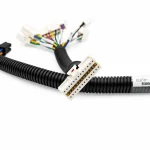
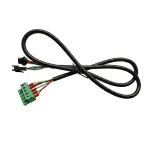
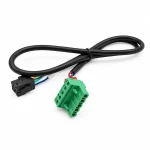
Photographs can help illustrate connector positions, cable routing, and general assembly appearance. However, photographs cannot reliably identify exact component specifications, manufacturer part numbers, insulation requirements, or engineering revisions.
When a supplier receives only photographs, important material decisions may be based on assumptions. This increases the likelihood of quotation inaccuracies, unsuitable materials, and differences between the intended design and manufactured samples.
Recommended approach: Use photographs as supporting references alongside a structured BOM, engineering drawings, and clearly documented specifications.
2. Failing to Specify Connector Manufacturers and Part Numbers
Leaving connector manufacturers or part numbers unspecified may result in quotations based on alternative connector systems that do not satisfy the buyer’s requirements.
Even when connectors appear similar, differences in mating interfaces, terminal arrangements, locking mechanisms, and sealing systems can affect compatibility.
Recommended approach: Specify the manufacturer, connector series, housing part number, compatible terminals, and required mating components whenever these details are critical to the design.
3. Allowing Unapproved Component Substitutions
Component substitution can be necessary when sourcing conditions change, but visually similar materials are not automatically interchangeable.
An alternative connector, terminal, or wire may introduce differences in electrical performance, mechanical fit, crimping requirements, sealing performance, material compliance, or long-term reliability.
Recommended approach: Establish written approval requirements for substituted materials and evaluate technical compatibility before introducing them into production.
4. Failing to Align BOM Revisions With Engineering Drawings
Engineering modifications may change wire lengths, connector arrangements, terminal requirements, or protective materials. If the BOM is not updated accordingly, procurement and manufacturing teams may use inconsistent information.
This can lead to outdated component purchases, incorrect assemblies, additional inspection work, and difficulties identifying which configuration was manufactured.
Recommended approach: Maintain coordinated revision references and ensure that approved changes are communicated to engineering, procurement, and production teams.
How to Manage Wire Harness BOM Revisions and Engineering Changes
A wire harness BOM should remain under document control throughout the product lifecycle. Changes may be required because of design improvements, component discontinuation, supplier availability, revised customer requirements, or manufacturing feedback.
Any change affecting the approved material configuration should be assessed before implementation.
Identify and Document the Proposed Material Change
Record which component or specification requires modification and explain the reason for the proposed change. The change record should identify the existing material and the intended replacement or revised requirement.
Evaluate Technical and Procurement Impact
Assess whether the change affects connector mating, terminal compatibility, electrical characteristics, mechanical dimensions, environmental resistance, tooling, compliance documentation, sourcing cost, or lead time.
Where necessary, additional testing or prototype evaluation should be completed before approval.
Obtain the Required Engineering or Customer Approval
The responsible authority should review the proposed modification according to the project’s approval requirements. Customer-controlled materials should not be changed without the required authorization.
Update the BOM and Related Manufacturing Documents
Once approved, update the BOM revision and any affected engineering drawings, work instructions, inspection requirements, and purchasing references.
The revised documentation should identify when the change becomes effective and how existing inventory or work in progress will be managed.
For further guidance, see wire harness engineering change management.
How to Review a Wire Harness BOM Before Prototype and Mass Production
BOM verification should be performed at key development milestones. The purpose is to ensure that the materials used for quotation, prototype manufacturing, and production match the intended design and approval status.
Before Requesting a Formal Wire Harness Quotation
- Confirm the latest available engineering drawing revision.
- Identify required connector manufacturers and part numbers.
- Define wire sizes, insulation materials, and environmental requirements.
- Clarify approved substitutes and restricted components.
- Identify missing information that requires supplier or engineering review.
Before Manufacturing Wire Harness Prototypes
- Confirm the material configuration intended for sampling.
- Review component compatibility and proposed substitutions.
- Verify the BOM revision used for prototype assembly.
- Record unresolved requirements that must be validated.
- Ensure that relevant inspection and testing requirements are documented.
Before Releasing the Wire Harness for Mass Production
- Confirm the approved production BOM and drawing revisions.
- Verify that purchasing and assembly instructions use consistent component information.
- Confirm the approval status of critical materials and substitutes.
- Close outstanding engineering and material approval issues.
- Define the process for future material changes and revision implementation.
Recommendations for OEM Buyers Preparing a Wire Harness RFQ
Before requesting a formal quotation, OEM buyers should prepare a BOM that identifies the required components, material specifications, quantities, approved alternatives, and applicable engineering revisions.
When a project is still in the early design stage, wiring diagrams, drawings, samples, and photographs may provide useful starting information. However, missing component details should be identified and resolved before the production material configuration is approved.
Buyers should also explain the operating environment, applicable compliance requirements, expected production quantities, and any manufacturer-specific component restrictions.
When discussing a custom wire harness project with LEX, provide the available BOM, drawings, connector requirements, and application information. Clearly identify any materials or design details that still require technical confirmation.
Frequently Asked Questions About Wire Harness BOM Management
What is a wire harness BOM?
A wire harness BOM is a bill of materials that lists the wires, connectors, terminals, seals, sleeving, labels, heat shrink, tape, clips, and other materials used to manufacture a cable assembly.
Why is BOM management important for custom wire harnesses?
BOM management is important because it helps control quotation accuracy, sample consistency, material compliance, approved substitutes, production repeatability, and engineering changes.
Should buyers allow substitute materials?
Buyers can allow substitute materials, but substitutes should be listed, reviewed, and approved before production. Uncontrolled substitutions can affect fit, performance, compliance, and delivery risk.
When should the BOM be finalized?
The BOM should be reviewed before quotation, confirmed before sample production, and locked before mass production unless a controlled engineering change is approved.
What information should be included in a wire harness BOM for RFQ?
A wire harness BOM for RFQ should include component descriptions, manufacturer part numbers, technical specifications, quantities, units of measure, approved alternatives, and revision references. Any missing information should be clearly identified for supplier review.
How do manufacturers handle BOM changes after prototype approval?
BOM changes after prototype approval should follow a controlled engineering change process. The proposed change is evaluated, approved by the responsible authority, documented in revised records, and implemented according to agreed production requirements.