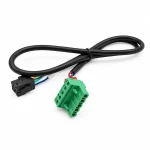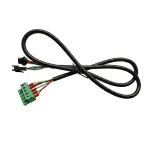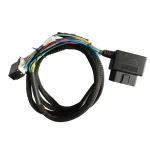
Flame-retardant wire harness materials are insulation, sleeving, tubing, tape, connectors, and protection materials selected to reduce fire-spread risk in a custom cable assembly. They are used in OEM equipment where heat, electrical faults, confined spaces, power density, or customer safety requirements make ordinary harness materials risky.
Flame-retardant selection is not just “use a better cable.” A harness can include flame-retardant wire but still carry risk if the sleeving, tape, connector housing, routing path, or strain relief material is not selected for the same project condition.

Key Takeaways
- Flame-retardant harness design should cover the full material system, not only the wire insulation.
- Buyers should confirm where the harness is installed, what heat or fault risk exists, and what documents the end customer requires.
- If the harness is inside enclosed equipment, material choice and routing control become more important.
- The wrong protection material can reduce flexibility, increase bulk, or create weak transition points.
- Choose a supplier that can review materials, routing, testing documents, and production consistency together.
Why Do Flame-Retardant Materials Matter in Wire Harness Projects?
Flame-retardant materials matter because a wire harness often runs near electrical loads, control boards, motors, heaters, batteries, power supplies, or enclosed components. If the material system is weak, heat exposure or a fault condition may create a larger equipment safety and warranty problem.
For OEM buyers, the main question is not whether one material sounds “flame retardant.” The practical question is whether the entire harness structure matches the equipment environment. Wire insulation, sleeving, tape, tubing, connector housings, labels, and branch transitions should be reviewed together.
Flame-retardant material selection should connect with wire harness sleeving options and high-temperature wire harness design. Fire behavior, heat exposure, mechanical protection, and routing are separate issues, but they sit in the same harness like roommates who must not fight.
What Materials Should Buyers Review?
Buyers should review every material that remains on the finished harness, not only the main cable. A flame-retardant wire can still be paired with unsuitable tape, tubing, labels, or connector protection if the material list is not controlled before sampling.
| Material Area | What to Confirm | Risk If Ignored |
|---|---|---|
| Wire insulation | Material type, application suitability, temperature condition, flexibility, and required documentation. | The wire may not match the operating environment or customer approval requirements. |
| Sleeving and tubing | Whether protective covering matches the flame-retardant requirement and routing condition. | The harness may have protected wires but weak external covering. |
| Heat shrink tubing | Material suitability, placement, shrink section length, and effect on bend areas. | Local protection may create stiffness or weak transition points if placed poorly. |
| Harness tape | Tape material, wrapping quality, overlap control, and long-term stability. | Loose or unsuitable tape can reduce protection consistency and appearance. |
| Connector housing | Housing material, mating component compatibility, and customer approval requirements. | The connector may become the weak point even when the wire is properly selected. |
| Labels and markings | Whether labels remain readable and suitable for the environment after installation. | Traceability may be lost during inspection, service, or warranty review. |
Use this table as a material-system checklist. If only the wire insulation is reviewed, the harness is not fully reviewed.
If X → Choose Y: Flame-Retardant Material Decision Logic
Choose flame-retardant materials based on heat source, enclosure, power level, routing, and customer documentation requirements. Do not choose materials only from a catalog description. A safe and manufacturable harness needs the material choice to match the real equipment layout.
| If Your Project Has… | Choose This Focus | Reason | Related Guide |
|---|---|---|---|
| Harness near heat-generating components | Temperature and flame-retardant material review | Heat exposure and flame behavior should be considered together. | High-temperature wire harness design |
| Harness inside enclosed control equipment | Full material system review | Insulation, sleeving, tape, connectors, and labels should match the risk level. | Wire harness design review |
| Outdoor or dusty installation | Flame-retardant plus environmental protection review | Material safety should not ignore moisture, dust, UV, or abrasion risk. | Outdoor wire harness protection |
| Customer asks for compliance documents | Document and material traceability review | Documents should match the exact material used in production, not a similar substitute. | RoHS and REACH for wire harness buyers |
| Project moves from sample to mass production | First article and BOM control | The approved material system must be repeated in bulk production. | Wire harness first article inspection |
This table helps buyers avoid the classic mistake of approving a sample material and receiving a slightly different bulk-production material. Slightly different is where the trouble goblin lives.
Common Mistakes and Consequences
Flame-retardant material mistakes usually happen when buyers treat safety requirements as a single line in the RFQ. The supplier may quote a material that seems close, but the finished harness may not match the customer’s real approval, installation, or documentation needs.
- Checking only the wire insulation. The sleeving, tape, tubing, connector housing, or label material may still be unsuitable for the project condition.
- Ignoring routing near heat sources: Even suitable materials can fail earlier if the harness is routed too close to heat-generating components.
- Using unapproved substitutions during production: A substitute may look similar but create approval, traceability, or performance risk in the final equipment.
- Choosing stiff protection without checking installation. The harness may become difficult to route, causing sharp bends or stress near connectors.
- Requesting documents after mass production starts. Document gaps can delay shipment, customer approval, or project handover.
Practical Questions to Ask Your Supplier
A practical supplier review should force the material choice into the open before sampling. Ask direct questions about the full material system, production substitution control, and documentation. If the answer is vague, the risk is not gone; it is just wearing a polite email.
- Which materials on the finished harness are flame-retardant, and which are not?
- Does the material choice apply to wire insulation, sleeving, tubing, tape, connectors, and labels?
- Can the same materials be used in sample and mass production?
- Will any substitute material require buyer approval before production?
- Does the material choice affect bend radius, flexibility, or routing?
- Are required documents available for the actual materials used?
- Can the supplier mark the approved material list in the BOM?
- Will first article inspection confirm material, label, and protection consistency?
Recommendation for OEM Buyers
For flame-retardant wire harness projects, review the full material system before sample approval. If the project involves heat, enclosed equipment, power components, battery systems, motors, or customer approval documents, ask the supplier to confirm material suitability and production traceability together.
Lex can review drawings, BOMs, application environments, sleeving choices, heat shrink positions, and document requirements before recommending a material plan. For production-ready projects, connect this review with wire harness BOM management so approved materials do not quietly change during bulk orders.
FAQ About Flame-Retardant Wire Harness Materials
What are flame-retardant wire harness materials?
Flame-retardant wire harness materials are insulation, sleeving, tubing, tape, connector, and protection materials selected to reduce fire-spread risk in a cable assembly. They are used when equipment conditions or customer requirements demand stronger material safety control.
Is flame-retardant wire enough for a complete harness?
Flame-retardant wire is not always enough. Buyers should also review sleeving, tape, tubing, connector housings, labels, routing, and production material control because the finished harness works as a complete material system.
When should buyers request flame-retardant materials?
Buyers should request flame-retardant materials when the harness is near heat sources, power components, enclosed electrical spaces, motors, battery systems, or equipment that requires customer safety approval and material documentation.
What should buyers confirm before approving the sample?
Buyers should confirm the approved material list, document availability, routing condition, sleeving method, heat shrink position, connector material, label material, and whether the same materials will be used in mass production.